|
 Prograf in Pediatric Transplants: Safety and Monitoring Essentials
Why Tacrolimus Matters in Pediatric Transplant Care
Early after transplant, tacrolimus anchors the fragile balance between rejection and immune competence. Its potency and focused action on T lymphocytes have transformed pediatric graft survival, turning high-risk procedures into manageable chronic therapies. Children are not small adults: absorption, metabolism and clearance evolve rapidly, making a single dosing rule unreliable. Clinicians rely on frequent assessments and dose adjustments to maintain protective concentrations without tipping into toxicity. Beyond preventing acute rejection, tacrolimus influences long-term outcomes—reducing chronic rejection, preserving organ function, and enabling growth and development when managed carefully. Its benefits are most apparent when paired with vigilant monitoring. Families and teams must understand the drug’s promise and risks: education, coordination, and timely lab checks convert a complex regimen into a sustainable path toward durable transplant success.
| Key point | Impact |
|---|
| Potency | Prevents rejection |
| Variability | Needs monitoring |
| Growth | Supports development |
| Adherence | Drives outcomes |
Dosing Challenges Across Ages and Developmental Stages

Prescribing prograf for children is a balancing act: infants metabolize drugs differently than adolescents, and organ function, weight, and genetic polymorphisms create wide variability. Clinicians often begin with weight-based dosing, but frequent adjustments are needed as feeding patterns, illnesses, and growth spurts alter absorption and clearance. Early post-transplant days demand cautious titration to avoid rejection while minimizing toxicity. Monitoring trough levels and tailoring schedules become daily rituals; neonates may need higher per-kilogram doses, while teens risk nonadherence as life routines change. Liquid formulations and pill-splitting pose dosing pitfalls, and overlapping medications alter tacrolimus exposure. Anticipating pubertal shifts and coordinating with pharmacists and families helps translate pharmacokinetic principles into safer, individualized care plans that preserve graft function and support growth and development through childhood. Regular dose reviews and family education reduce errors, improve adherence, and optimize long-term outcomes in young patients.
Recognizing and Managing Common Adverse Effects Early
A worried parent watches lab results as clinicians explain tacrolimus risks; timely recognition of neurotoxicity, nephrotoxicity, and hypertension can change a child’s course. Monitoring trends matters. Early signs—tremor, headaches, rising creatinine, or high blood pressure—should prompt dose review and investigation and neurologic exam with parents. Adjusting prograf dosing, correcting dehydration, and avoiding interacting drugs often reverses mild toxicity; severe cases need nephrology or neurology input. Consider biopsy when uncertainty persists. Clear communication, standardized checklists, and scheduled assessments empower families to report subtle changes and enable early, effective interventions. Act promptly.
Essential Therapeutic Drug Monitoring: Timing and Targets
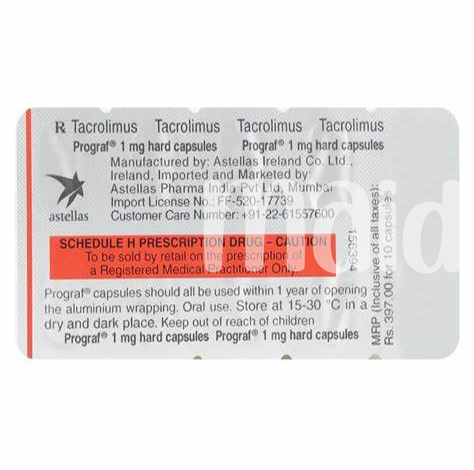
Monitoring tacrolimus (e.g., prograf) is a narrative of vigilance: obtain trough concentrations just before the next dose, with the highest frequency in the first days to weeks post-transplant as doses are titrated and organ function stabilizes. Early checks—daily to every few days—help catch underexposure that risks rejection or overexposure that causes toxicity. Steady-state assessments follow once dosing and interacting medications are stable. Target trough ranges should be individualized by age, organ type, time from transplant and concomitant immunosuppression; typical early pediatric targets often sit higher (for example, 8–12 ng/mL) than later maintenance goals (for example, 4–8 ng/mL), but centers vary. Correlate levels with clinical context, renal function, and adverse signs, and use consistent laboratories and assays to ensure reliable trends rather than single measurements. Educate families about timing and medication recording to interpret levels accurately. And report symptoms without delay.
Drug Interactions, Nutrition, and Concurrent Medication Pitfalls
In clinic I watch how small changes reshape outcomes: grapefruit juice or antifungals can send tacrolimus levels swinging, and families need plain guidance about what to avoid when their child takes prograf. Clear, age-tailored examples help families make daily choices. A checklist that pairs interacting drugs, boosters and common supplements with practical actions reduces errors; label reading, pharmacist review and timing doses around meals are simple defenses against toxicity or rejection. Use electronic alerts and reconcile medicines at each visit. Parents benefit from anticipatory counseling—explain why antibiotics or antiepileptics may require monitoring, encourage reporting of herbal remedies, and schedule frequent trough checks after any medication change to keep children safe and growing. Support with education.
| Interaction | Recommended action |
|---|
| Grapefruit, azoles | Avoid; measure levels |
| Macrolides, calcium channel blockers | Reduce dose; monitor closely |
| Antibiotics, anticonvulsants | Adjust dose; increase monitoring |
Supporting Adherence, Growth, Neurodevelopment, and Long Term Outcomes
Engaging families with clear schedules, pill aids, and tailored education turns medication from a burden into a manageable routine; regular communication and positive reinforcement improve adherence and reduce rejection risk. Growth requires proactive surveillance: weight, height, bone health, and pubertal milestones. Nutritional plans, vitamin D and calcium optimization, and early endocrine referrals mitigate steroid and calcineurin-related growth disturbances in children. Neurodevelopmental screening, cognitive support, and timely therapies preserve learning and psychosocial wellbeing. Transition planning to adult care, vaccination updates, and lifestyle counseling optimize survival and quality of life, future independence.
|